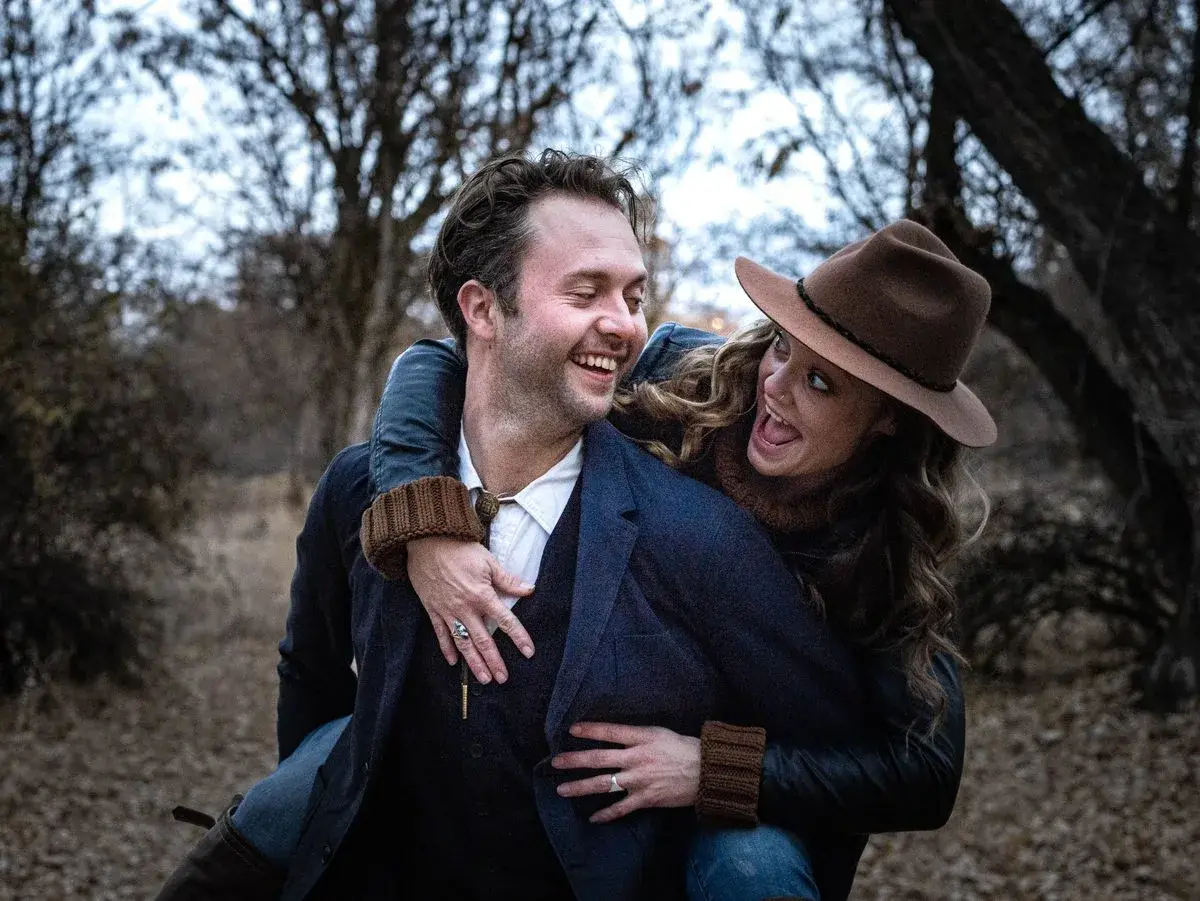
November 2026. Boise, Idaho. A guide to the places, and to the hour that matters more than the place.
One of the first questions before any session is where to shoot, and the honest answer is that the location matters rather less than the light that falls on it. A celebrated backdrop photographed at noon, under a sun that flattens every face and fills every eye socket with shadow, will lose to an unremarkable side street photographed twenty minutes after sunset. What follows is therefore a guide in two parts: first the light, which governs everything, and then the places around Boise where that light tends to be most generous.
Light first: golden hour and blue hour
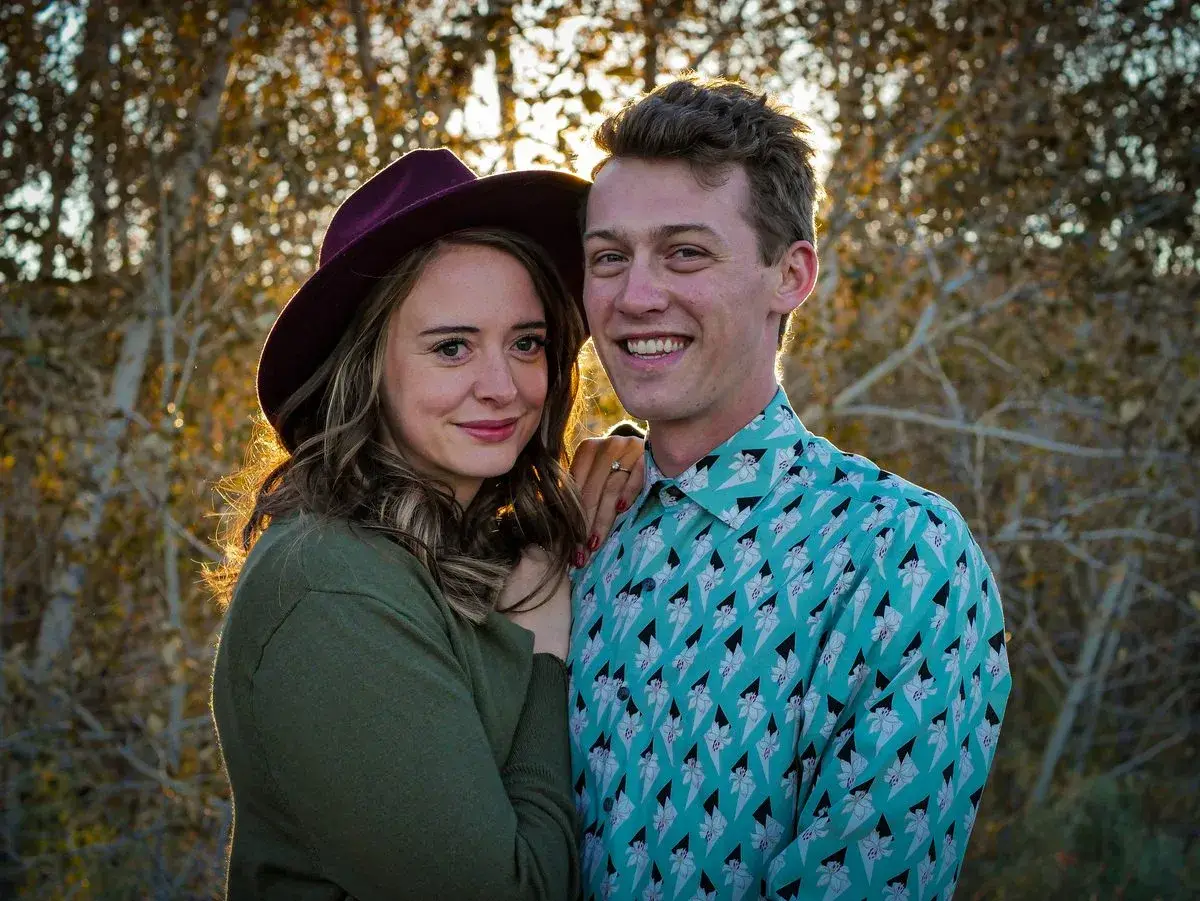
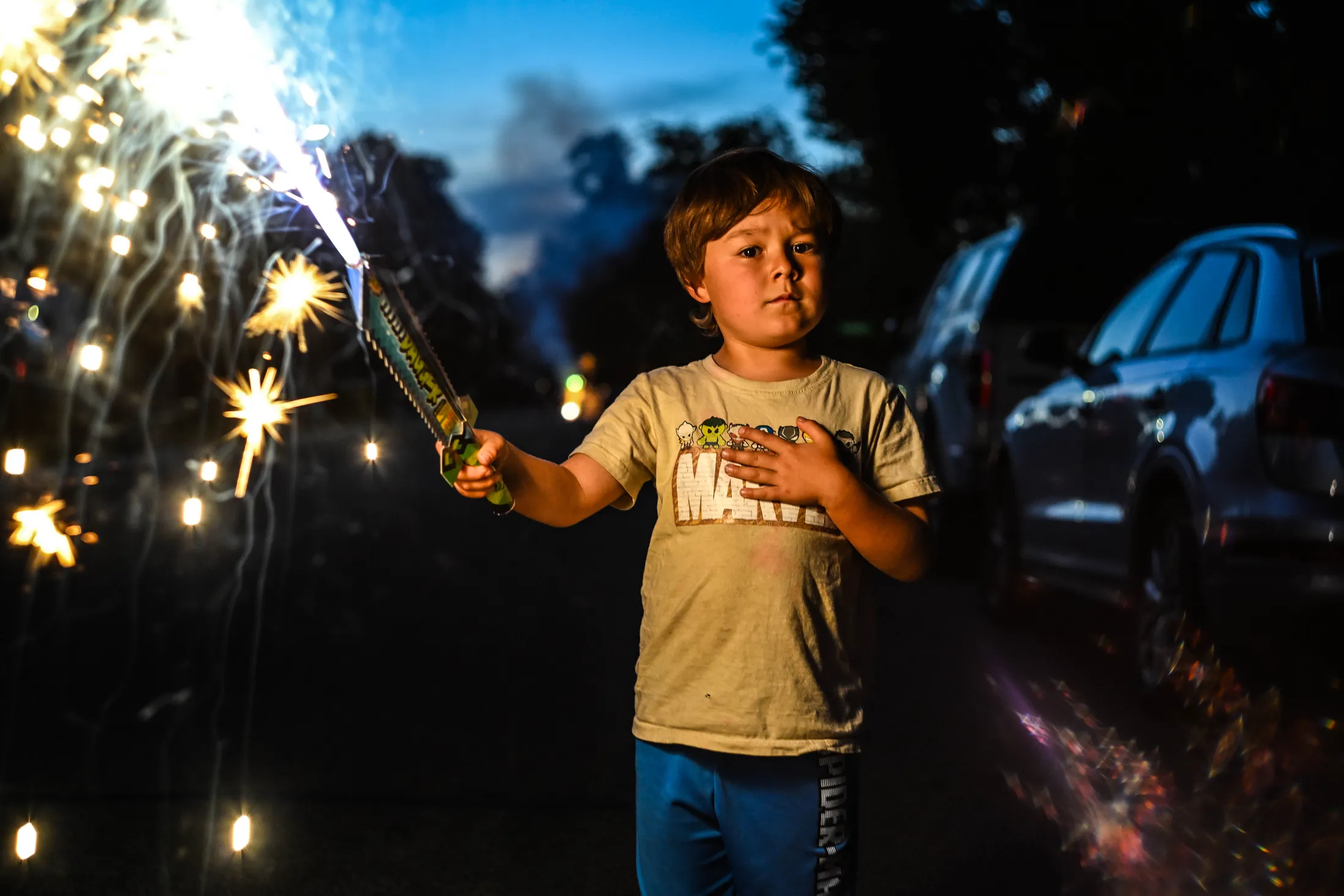
Golden hour is the period shortly after sunrise and before sunset when the sun sits low enough that its light travels through more of the atmosphere, arriving warm, soft and raking, with long shadows that describe the shape of a face rather than obliterating it. Blue hour is the short interval after the sun has set, when the sky retains a deep, even blue and the world takes on the cool, cinematic register familiar from a great many night scenes in film. For most sessions I begin about an hour before sunset and continue into blue hour, which yields two distinct palettes from a single evening. Sunset times for any date can be found with NOAA's solar calculator.
Boise's geography adds a particular complication: the Foothills rise to the north and east of the city, so the sun disappears behind the western horizon over the valley floor while the hills themselves often catch the last warm light. A location facing the Foothills at golden hour can therefore glow long after the streets below have fallen into shade.
The Boise Foothills
The open, grass-covered slopes above the North End offer what the city's parks cannot: a horizon. Trailheads such as the one at Camel's Back Park lead within minutes onto ridgelines that look out over the valley, and in late spring the hills turn briefly green before fading back to the gold that defines them for most of the year. The trade-off is exposure: there is little shade, the wind can be considerable, and the trails are shared, so an evening session there rewards an early arrival and comfortable shoes.
The Boise River Greenbelt
The Greenbelt is the path that follows the Boise River through the city, and its value lies in variety within walking distance: cottonwoods, water, footbridges and open lawns alternate every few hundred yards. Overcast days, which many people regard as a disappointment, are in fact excellent here, because cloud cover softens the light into something close to an enormous studio diffuser and the trees supply depth behind the subject.
Kathryn Albertson Park and Julia Davis Park
Kathryn Albertson Park, near the river, is quieter, with ponds and walking paths, and works well for couples who would rather not perform in front of an audience. Julia Davis Park, closer to downtown, is larger and busier, with its rose garden and many corners along the water; in the fall, when the color is at its height, it is also crowded, which is worth planning around.
The Boise Depot and the Idaho State Capitol
For architecture, two buildings anchor the city's most familiar view. The Boise Depot, a 1925 train station on the bench above downtown, looks straight down Capitol Boulevard toward the Idaho State Capitol, and the axis between them is among the most recognizable compositions in Boise. Both reward symmetry and formality, which suits engagement announcements and portraits with a sense of occasion rather than intimacy.
Freak Alley Gallery
Downtown's outdoor mural gallery offers color and texture at close range, and its walls are repainted over time, so the backdrop is rarely the same twice. The alley is narrow, which limits how far back one can stand and makes it better suited to single portraits than to groups.
Table Rock
The sandstone mesa above the east end of the city offers the widest view in Boise, across the whole valley to the mountains beyond, and at dusk the city lights begin to appear below. The road up can be difficult in winter, so it is a fair-weather location, and the summit is popular at sunset.
Downtown after dark
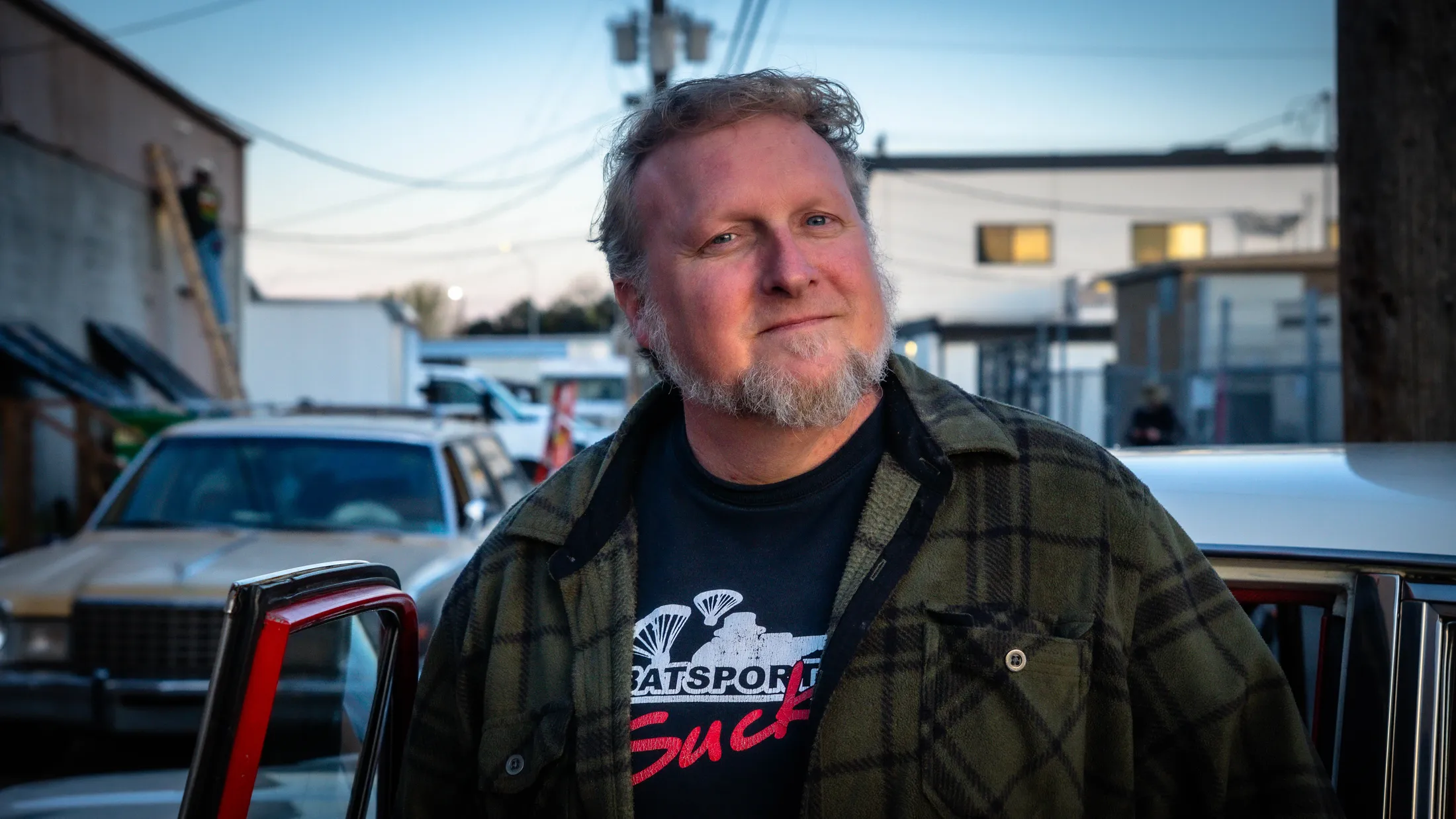
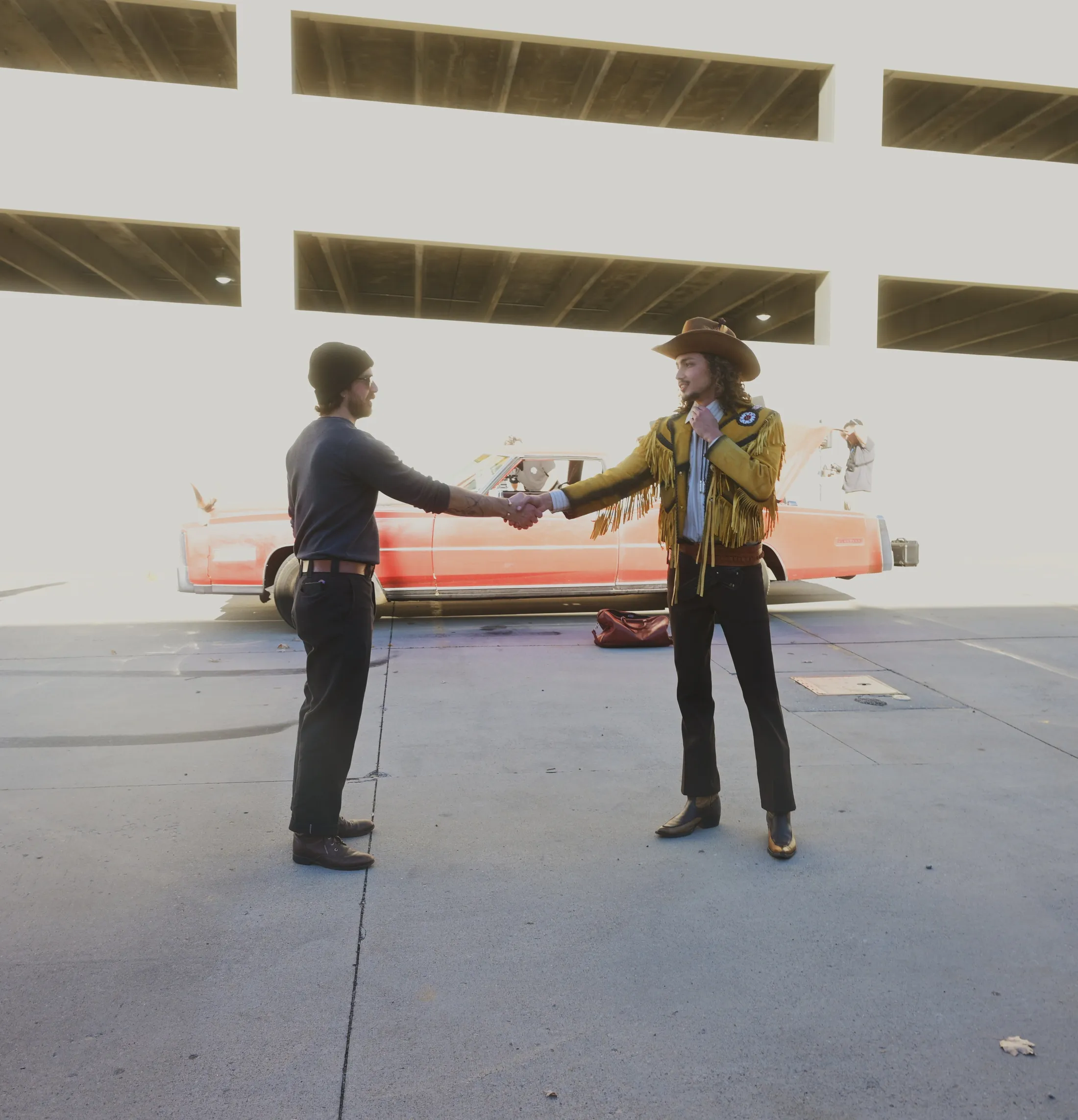
Some of the most interesting light in Boise arrives after the sun has gone. Downtown at night is full of practical light, meaning light from sources visible in the frame, such as storefronts, signs, streetlamps and passing cars, and that is the vocabulary of the cinematic night portrait. I photographed the set of Mason Dodson's short film Smokeshow Joe in downtown alleys and a parking garage, two of the least promising locations in any city by daylight and two of the most atmospheric after dark.
The location that means something to you
The best place is frequently none of the above. A street where a couple first lived, the shop someone built, the venue where a band played its first show: a place with a history carries meaning into the photograph that no scenic overlook can supply, and the light can almost always be made to work. The more useful question about any location is not whether it is beautiful but what happened there.
Some parks and gardens have rules for professional sessions or larger groups, so it is worth checking with Boise Parks and Recreation, or with the venue, before booking a session somewhere specific. If you have a place in mind, or would like help choosing one, join the waiting list and tell me about it.
Questions people ask
Where are the best places to take pictures in Boise?
The Boise Foothills, the Boise River Greenbelt, Kathryn Albertson Park, Julia Davis Park, the Boise Depot, the Idaho State Capitol, Freak Alley Gallery, Table Rock and downtown Boise after dark are the usual starting points. A place that means something to you usually beats all of them.
What time of day is best for photos in Boise?
The hour before sunset (golden hour) and the half hour after it (blue hour). Look up sunset for your date with NOAA's solar calculator and start about an hour before.
Do I need a permit to take photos in a Boise park?
Sometimes, for professional sessions or large groups. Rules change, so check with Boise Parks and Recreation, or with the venue for places like the Idaho Botanical Garden, before you book a session there.
Where can I take night photos in Boise?
Downtown Boise after dark: storefronts, signs, alleys and parking garages give you practical light to work with. Freak Alley's murals work at dusk too.
Can you photograph me somewhere outside Boise?
Yes. Meridian, Eagle, Nampa, Garden City, the rest of the Treasure Valley and across Idaho. Join the waiting list and tell me the place.