November 2026. Boise, Idaho. A question with no single answer, and a way to get a real one.
Search for what a music video costs and you will find figures that span three orders of magnitude, every one of them defensible and almost none of them useful, because a music video is not a product with a price but a set of decisions, each of which carries its own cost. Two videos for the same song can differ in cost by a factor of ten while taking the same number of minutes to watch. I will not offer a number here, since any number detached from a particular idea would mislead more than it informed. What I can offer instead is an account of where the money actually goes, which is the knowledge that lets a band spend a modest budget well.
Days are the largest variable
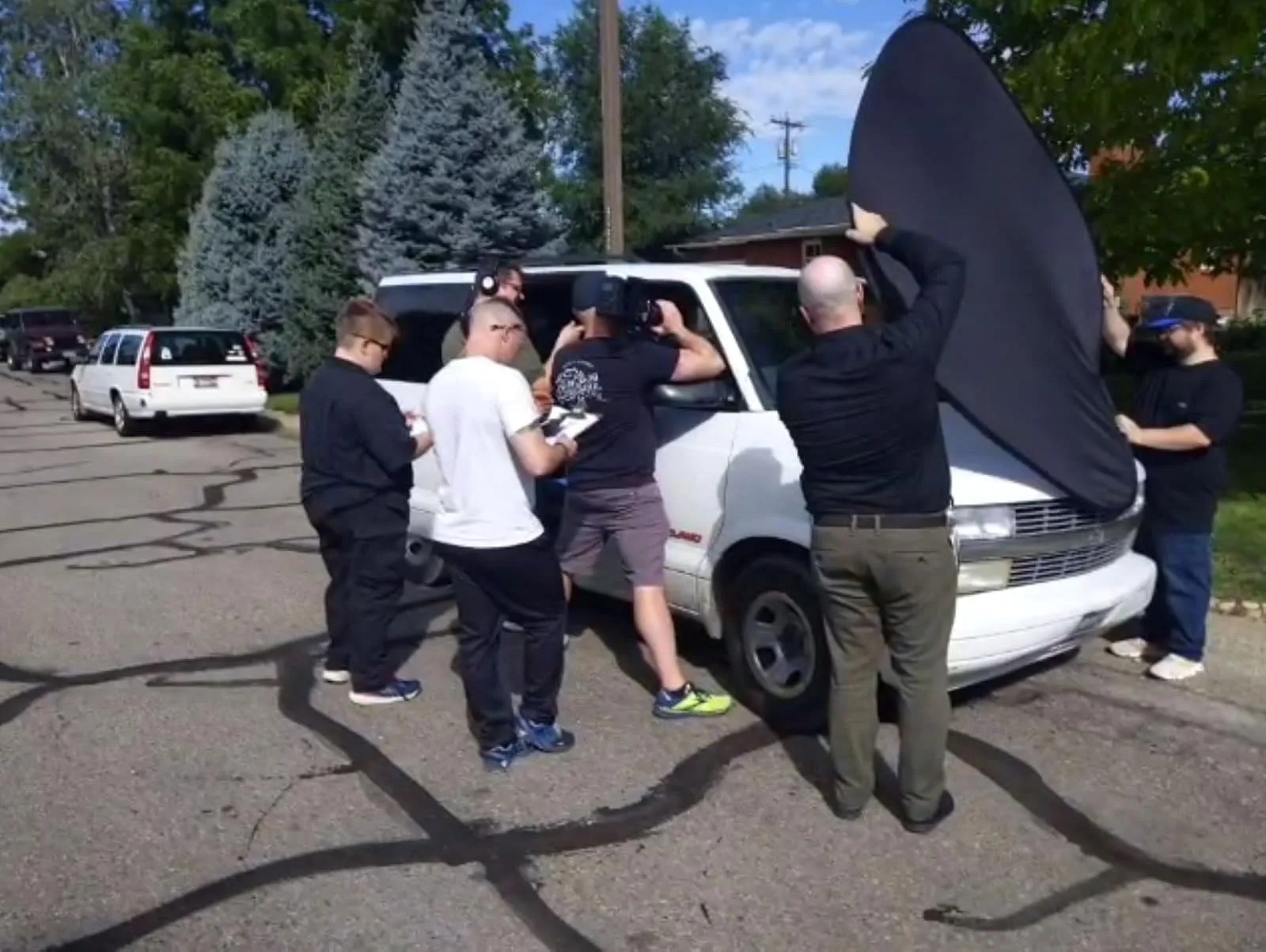
The single most consequential decision is how many days the shoot requires, because nearly every other cost multiplies by it: the crew, the equipment, the locations, the food, the performers' time. A concept that can be achieved in one day at one location costs a fraction of one that moves across four locations over three days, even if the finished videos are equally ambitious. My feature film Opportunity was shot in Boise on sixteen weekend days with a micro budget, and that was possible only because every scene was storyboarded before anyone arrived on set; preparation is the cheapest resource in filmmaking and the one most often neglected.
People
The second variable is how many people stand on set. A performance video can be made by one operator and the band. A narrative video with actors, extras, a gaffer, a sound recordist for dialogue, a makeup artist and a production assistant is a different undertaking, and every additional person brings not only a rate but logistics, scheduling and the slowing effect that any group has on the pace of a day. On Opportunity I cast people I had met across a decade of short films, which is the same strategy a band can use: friends who can commit are worth more than strangers who cannot.
Locations and light
A location that can be used freely, such as a rehearsal space, a friend's bar before opening or a street at night, costs almost nothing, while a location that must be rented, permitted or cleared of the public can consume a substantial portion of a small budget. Light compounds the choice. A night exterior lit by practical sources, the streetlamps, signs and car headlights already present in the scene, can look extraordinary for very little; a daylight interior that must be made to look like night requires equipment and time.
The edit and the grade
Postproduction is the cost bands most often underestimate. A performance video cut to a single take is quick; a narrative video assembled from hundreds of shots, color graded into a consistent look and finished with effects is days of work in front of a screen. When I edit, the cut is where the rhythm of the song and the rhythm of the images are made to agree, and it is frequently where a video is won or lost.
Where a small budget goes furthest
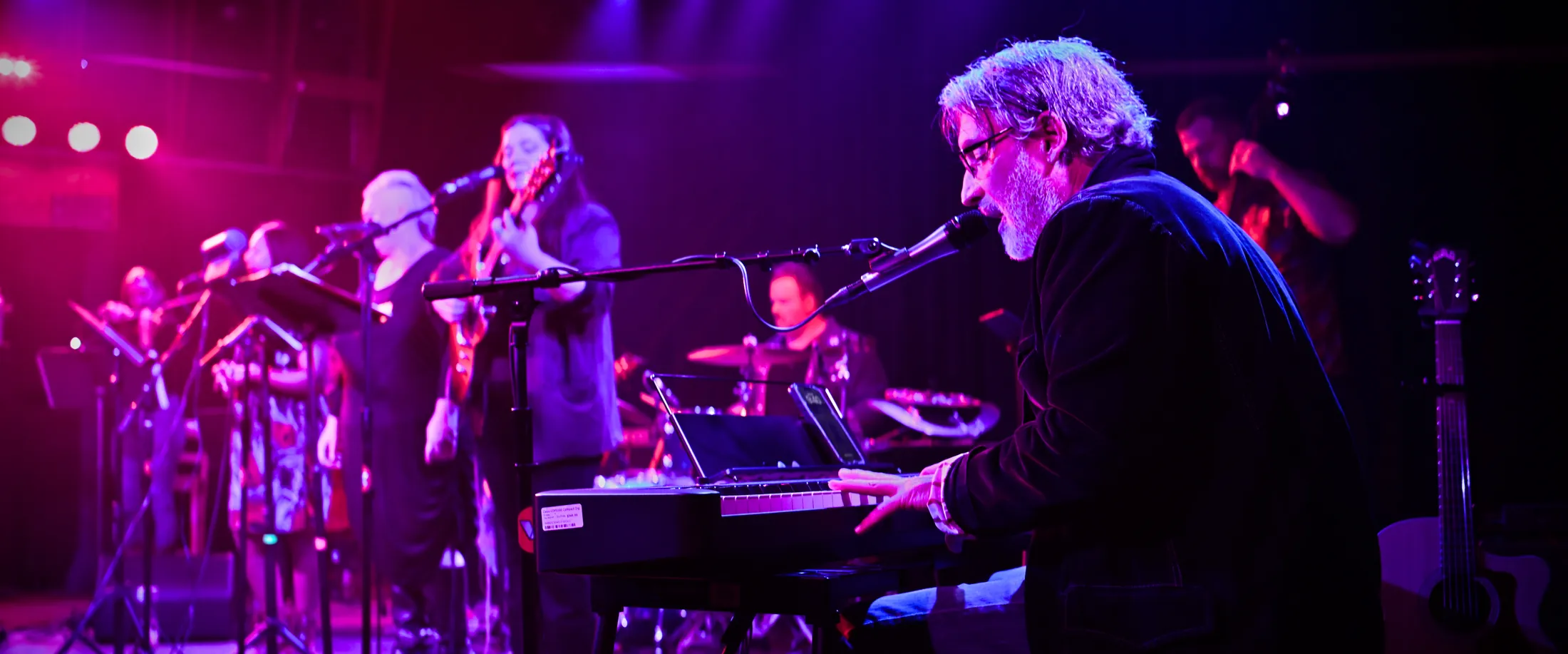
If the budget is modest, the most reliable strategy is to let the idea do the work rather than the equipment: one strong visual concept, one or two locations, a single day, a plan for every shot and a performance the band can repeat many times without exhaustion. A live performance filmed in a real room under real stage lights, cut to the band's own live audio, is often more persuasive to a booker or a new listener than an elaborate narrative, and it costs a fraction of one. I covered Martin Daniels and The Boise Ensemble Band at the Visual Arts Collective in that way, with photographs and short clips cut to their live sound from a single night.
How to get a real number
Any director worth hiring should be able to tell you, honestly, what your budget buys. Bring three things to that conversation: the song, a sentence describing the idea, and the amount you can actually spend. The third is the one people are most reluctant to share, but withholding it only means the director has to guess, and guesses are expensive. That is why the waiting-list form asks what you want to invest: so that the answer you get back describes what can be made with it, rather than a price for something you never asked for. More on how I work with bands is on the music video page.
Questions people ask
How much does a music video cost?
There is no honest single number: a music video costs what its shoot days, crew, locations, lighting and edit add up to, so two videos for the same song can differ by ten times. The way to get a real figure is to describe the idea and your budget to a director and ask what that budget buys.
What makes a music video more expensive?
More shoot days, more locations, more people on set (crew, actors, extras), more lighting, and a longer, more complicated edit and color grade. The number of days usually matters most.
How can a band make a music video on a small budget?
Plan every shot before the shoot, keep it to one or two locations you can use for free, shoot in a single day, cast friends who can commit, and let the idea do the work rather than the equipment.
Do you make music videos in Boise?
Yes. Rusty Rehl makes music videos, live performance video and highlight clips for bands in Boise and the Treasure Valley. See how it works or join the waiting list.